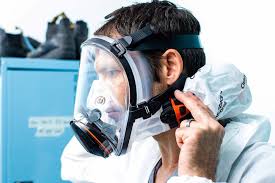
🔍 Click to Expand: ACTI Air Purifying Respirator (APR) Training Overview
📌 ACTI Air Purifying Respirator (APR) Training Overview
The ACTI Air Purifying Respirator (APR) Training Program is designed to equip workers with the knowledge and skills required to safely use, inspect, and maintain air-purifying respirators. This training aligns with Occupational Health & Safety (OH&S) regulations, CSA Z94.4 standards, and industry best practices, ensuring compliance and workplace safety.
Participants will learn to identify airborne contaminants, select appropriate APRs, perform fit testing, conduct pre-use inspections, and maintain respiratory equipment. The course covers filtration principles, cartridge selection, hazard assessment, and emergency procedures.
🔹 Key Learning Modules:
- Legislation & Standards: Understanding OH&S regulations, CSA Z94.4, and employer responsibilities for respiratory protection.
- Why Respiratory Protection? Identifying the need for APRs, health risks, and regulatory requirements.
- Types of Air-Purifying Respirators: Full-face, half-face, disposable masks, and powered air-purifying respirators (PAPR).
- Filtration & Cartridge Selection: Understanding filter types, gas/vapor cartridges, color coding, and assigned protection factors (APF).
- Fit Testing & Facial Requirements: Performing qualitative and quantitative fit testing, facial hair policies, and ensuring a proper seal.
- Pre-Use Inspection & Fit Checks: Identifying defects, conducting negative/positive pressure fit tests, and ensuring respirator functionality.
- Storage, Maintenance & Cleaning: Proper cleaning, disinfection, storage, and replacement schedules for filters and cartridges.
- Emergency Procedures & Limitations: Recognizing IDLH (Immediately Dangerous to Life or Health) atmospheres and APR limitations.
✅ Upon Completion:
Participants will be able to:
- ✅ Understand and apply OH&S and CSA Z94.4 regulations regarding air-purifying respirators.
- ✅ Identify airborne contaminants and select the appropriate respirator and filter/cartridge.
- ✅ Perform pre-use inspections to ensure APRs are in proper working condition.
- ✅ Conduct qualitative and quantitative fit testing to verify a secure and effective seal.
- ✅ Properly don, doff, and adjust APRs for effective protection in hazardous environments.
- ✅ Maintain, clean, and store APRs to ensure compliance with industry best practices.
- ✅ Recognize APR limitations and identify situations where supplied-air respirators are required.
- ✅ Pass a written knowledge assessment (minimum 80%) and successfully complete the practical evaluation.
Participants who meet all course requirements will receive an ACTI Air Purifying Respirator (APR) Certification, recognized across Canada, ensuring they are qualified to use and maintain air-purifying respirators in industrial, construction, and hazardous work environments.
🔍 Click to Expand: ACTI WHMIS 2015 Training Overview
The ACTI WHMIS 2015 Training Program provides workers with the essential knowledge and skills to understand and apply the Workplace Hazardous Materials Information System (WHMIS) 2015. This training ensures compliance with Occupational Health & Safety (OH&S) regulations, the Hazardous Products Act, and industry best practices, promoting workplace safety and regulatory adherence.
Participants will learn to identify hazardous materials, interpret Safety Data Sheets (SDS), understand hazard classification, and apply safe handling procedures. The course covers WHMIS legislation, hazard communication, labeling systems, emergency response, and worker responsibilities.
📌 Key Learning Modules:
- Legislation & Regulations: Understanding WHMIS 2015, OH&S laws, and employer/worker responsibilities.
- Hazardous Products & Classification: Identifying hazardous materials and recognizing hazard classes and categories.
- WHMIS Pictograms & Labeling: Recognizing WHMIS symbols, supplier labels, and workplace labels.
- Safety Data Sheets (SDS): How to read and interpret SDS for proper handling, storage, and disposal of chemicals.
- Hazard Controls & Safe Work Practices: Implementing control measures, using PPE, and reducing exposure risks.
- Emergency Procedures & First Aid: Responding to spills, fires, leaks, and worker exposure incidents.
- WHMIS vs. GHS (Globally Harmonized System): Understanding the global standard and its alignment with WHMIS.
✅ Upon Completion:
Participants who successfully complete the **ACTI WHMIS 2015 Training Program** will be able to:
- ✅ Understand and apply WHMIS 2015 regulations and OH&S requirements.
- ✅ Identify hazardous materials and recognize WHMIS hazard classes and pictograms.
- ✅ Read and interpret supplier labels and workplace labels.
- ✅ Locate and use Safety Data Sheets (SDS) to assess chemical hazards.
- ✅ Implement safe handling, storage, and disposal practices for hazardous products.
- ✅ Respond appropriately to hazardous material spills, leaks, and exposure incidents.
- ✅ Pass a written knowledge assessment (minimum 80%) and successfully complete any required practical evaluations.
Upon meeting all course requirements, participants will receive an ACTI WHMIS 2015 Certification, recognized across Canada, demonstrating their proficiency in safely managing hazardous materials in industrial, construction, and workplace environments.


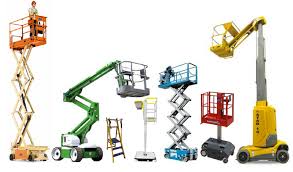
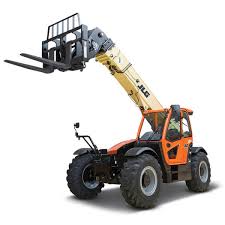
🔍 Cliquez pour Développer : Programme de Formation ACTI pour Chariots Élévateurs
Le Programme de Formation ACTI pour chariots élévateurs est conçu pour fournir aux participants les connaissances et compétences nécessaires à l’exploitation sécuritaire des chariots élévateurs à contrepoids et télescopiques dans divers environnements de travail. La formation est conforme aux réglementations de la SST de l’Alberta, aux normes CSA B335 et aux meilleures pratiques de l’industrie, assurant ainsi la sécurité et la conformité en milieu de travail.
Les participants apprendront à effectuer des inspections de l’équipement, à manœuvrer en toute sécurité, à manipuler correctement les charges et à identifier les risques liés à l’utilisation des chariots élévateurs. Le cours couvre les catégories de chariots élévateurs, les principes de stabilité, les procédures d’exploitation sécuritaire, la reconnaissance des dangers et la réponse aux urgences.
📌 Modules Clés d’Apprentissage :
- Normes réglementaires et conformité : Comprendre les exigences de la SST, les normes CSA B335 et les responsabilités des employeurs et des travailleurs.
- Anatomie et composants des chariots élévateurs : Identifier les composants essentiels, effectuer des inspections préalables et comprendre la capacité de charge.
- Stabilité, manipulation des charges et estimation du poids : Apprendre les notions de centre de gravité, les principes d’équilibre et les techniques de manipulation des charges.
- Techniques de conduite sécuritaire : Manœuvrer dans diverses conditions, opérer en zones à forte circulation et prévenir les risques de basculement.
- Dangers courants et prévention des risques : Identifier les dangers potentiels, tels que les collisions avec des piétons, l’instabilité des charges et le contact avec les lignes électriques.
- Préparation aux urgences et intervention en cas d’incident : Mettre en œuvre des procédures d’arrêt sécuritaire, respecter les protocoles de stationnement et planifier les interventions d’urgence.
✅ À l’issue de la formation :
- ✅ Comprendre et appliquer les réglementations de la SST, les normes CSA B335 et les exigences spécifiques aux chariots élévateurs sur site.
- ✅ Effectuer des inspections préalables à l’utilisation et identifier les défaillances nécessitant un entretien ou une réparation.
- ✅ Manœuvrer en toute sécurité les chariots élévateurs à contrepoids et télescopiques, en maintenant la stabilité et en manipulant les charges correctement.
- ✅ Reconnaître les dangers courants liés aux chariots élévateurs et appliquer les meilleures pratiques pour prévenir les incidents en milieu de travail.
- ✅ Élaborer et suivre des plans d’intervention d’urgence en cas d’incidents ou de pannes d’équipement.
- ✅ Réussir une évaluation des connaissances théoriques (minimum 80 %) ainsi qu’une évaluation pratique.
Les participants qui remplissent toutes les exigences du cours recevront une certification d’opérateur de chariots élévateurs ACTI, reconnue à travers le Canada, attestant de leur qualification pour l’exploitation sécuritaire des chariots élévateurs dans les secteurs de la construction, de l’industrie et de l’entreposage.
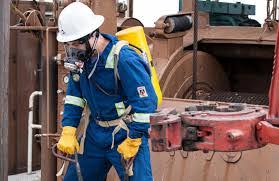
🔍 Click to Expand: ACTI Respiratory Protective Equipment (RPE) Training Overview
📌 ACTI Respiratory Protective Equipment (RPE) Training Overview
The ACTI Respiratory Protective Equipment (RPE) Training Program is designed to provide workers with the knowledge and skills necessary to correctly use, inspect, and maintain respiratory protective equipment in compliance with OH&S regulations, CSA Z94.4 standards, and industry best practices. This course ensures participants understand the importance of respiratory protection in hazardous work environments.
Participants will learn to identify respiratory hazards, select appropriate RPE, perform fit testing, conduct pre-use inspections, and follow emergency procedures. The course covers legislation, types of respirators, maintenance, cleaning, and practical application.
🔹 Key Learning Modules:
- Legislation & Standards: Understanding OH&S regulations, CSA Z94.4, and employer responsibilities for respiratory protection.
- Types of Respiratory Protective Equipment: Identifying and selecting appropriate respirators, including SCBA and SABA.
- Facial Requirements & Fit Testing: Proper fit testing techniques, facial hair policies, and ensuring a secure seal.
- Inspection, Maintenance & Cleaning: Conducting pre-use checks, cleaning, storing, and maintaining respiratory equipment.
- SCBA (Self-Contained Breathing Apparatus): Inspection, donning, doffing, and troubleshooting SCBA systems.
- SABA (Supplied Air Breathing Apparatus): Understanding components, inspection, and safe operation.
- Environmental Considerations: Operating in extreme temperatures, confined spaces, and oxygen-deficient atmospheres.
- Emergency Response & Air Quality: Identifying IDLH (Immediately Dangerous to Life or Health) conditions and emergency procedures.
✅ Upon Completion:
Participants will be able to:
- ✅ Understand and apply OH&S and CSA Z94.4 regulations regarding respiratory protection.
- ✅ Identify respiratory hazards and determine the appropriate protective equipment.
- ✅ Perform pre-use inspections and ensure RPE is functioning correctly.
- ✅ Conduct proper fit testing using qualitative and quantitative methods.
- ✅ Use SCBA and SABA safely, including donning, doffing, and air supply management.
- ✅ Maintain, clean, and store RPE to ensure long-term usability and compliance.
- ✅ Recognize and respond to emergency situations requiring respiratory protection.
- ✅ Pass a written knowledge assessment (minimum 80%) and successfully complete the practical evaluation.
Participants who meet all course requirements will receive an ACTI Respiratory Protective Equipment (RPE) Certification, recognized across Canada, ensuring they are qualified to use and maintain respiratory protective equipment in industrial, construction, and hazardous work environments.