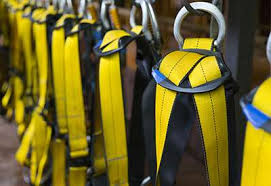
🔍 Click to Expand: Fall Protection Equipment Qualified Inspector Training Overview
The ACTI Fall Protection Equipment Qualified Inspector Training Program is designed to equip individuals with the knowledge and skills required to inspect and recertify fall protection equipment in compliance with OH&S regulations, CSA Z259 standards, and industry best practices. This program ensures that inspectors can assess the safety, integrity, and compliance of fall protection equipment used in various work environments.
Participants will learn how to identify defects, conduct systematic inspections, document findings, and apply best practices for maintaining fall protection systems. The course covers inspection procedures, regulatory requirements, manufacturer specifications, and proper documentation techniques.
📌 Key Learning Modules:
- Legislation & Compliance: Understanding OH&S regulations, CSA Z259 standards, and employer responsibilities for fall protection inspections.
- Types of Inspections: Pre-use, periodic, and annual inspections for harnesses, lanyards, self-retracting lifelines (SRLs), anchorage systems, and confined space rescue equipment.
- Component Inspections: Evaluating fall protection components such as harnesses, connectors, lifelines, anchors, energy absorbers, and hardware for damage and wear.
- Inspection Procedures & Documentation: Following systematic inspection checklists, logging inspection findings, and ensuring compliance with manufacturer recommendations.
- Condemning & Removing Equipment: Identifying and managing defective equipment, proper disposal methods, and understanding recertification requirements.
- Emergency Response & Equipment Failures: Handling post-fall incidents, rescue planning, and ensuring continued worker safety.
✅ Upon Completion:
Upon successfully completing the ACTI Fall Protection Equipment Qualified Inspector Training Program, participants will be able to:
- ✅ Understand and apply OH&S and CSA Z259 regulations related to fall protection equipment inspections.
- ✅ Conduct detailed inspections on harnesses, lanyards, lifelines, SRLs, and anchorage systems.
- ✅ Recognize and document deficiencies that require equipment removal or repair.
- ✅ Properly tag and recertify fall protection equipment in accordance with industry standards.
- ✅ Develop and maintain inspection records to ensure regulatory compliance and workplace safety.
- ✅ Pass a written knowledge assessment (minimum 80%) and successfully complete the practical inspection evaluation.
Participants who meet all course requirements will receive an ACTI Fall Protection Equipment Qualified Inspector Certification, recognized across Canada, ensuring they are qualified to perform thorough and compliant fall protection equipment inspections in industrial, construction, and maintenance environments.
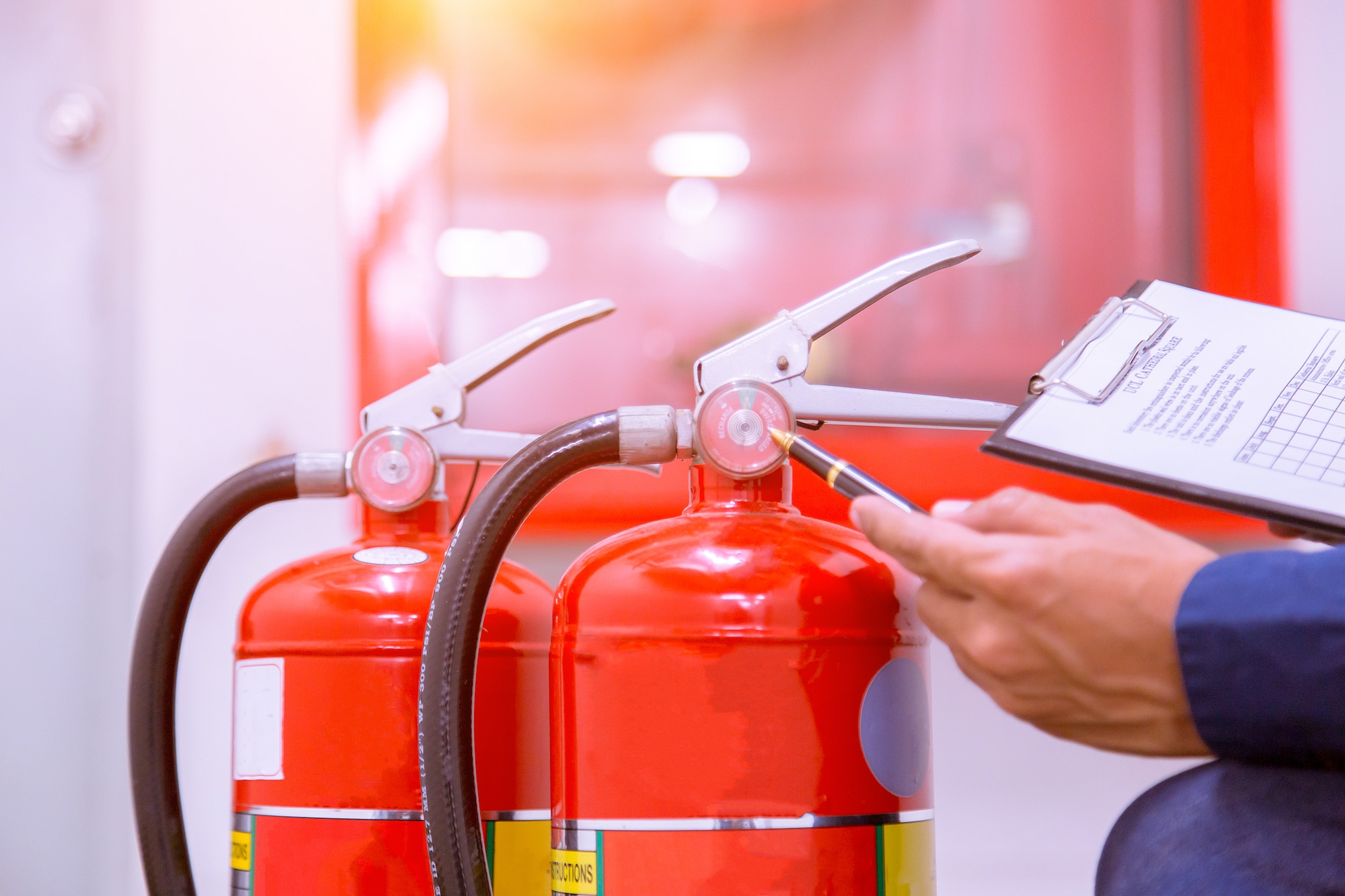
🔍 Click to Expand: Fire Watch Training Overview
The ACTI Fire Watch Training Program provides essential knowledge and practical skills for personnel responsible for monitoring fire hazards in hot work environments. This training aligns with Occupational Health & Safety (OH&S) regulations, the provincial Fire Codes, and NFPA 51B standards, ensuring compliance and workplace safety.
🔥 Key Learning Modules:
- Fire Watch Roles & Responsibilities: Understanding duties, authority, and the importance of due diligence.
- Fire Safety Regulations & Compliance: Reviewing OH&S, NFPA standards, and employer responsibilities.
- Fire Hazards & Prevention: Identifying potential fire risks, ignition sources, and fire protection measures.
- Hot Work Operations & Permits: Learning permitting procedures, worksite preparations, and fire prevention strategies.
- Fire Extinguishers & Suppression Techniques: Understanding fire classifications, extinguisher types, and proper usage (PASS method).
- Emergency Response & Incident Management: Developing rescue plans, communication procedures, and post-fire watch protocols.
- Case Studies & Practical Scenarios: Analyzing real-world incidents to reinforce learning and improve fire prevention awareness.
✅ Upon Completion:
Participants will be able to:
- ✅ Understand and apply OH&S legislation and NFPA standards related to fire safety.
- ✅ Identify fire hazards and assess risks associated with hot work operations.
- ✅ Properly conduct fire watch duties, ensuring a safe worksite before, during, and after hot work.
- ✅ Use fire extinguishers correctly, applying the PASS method to suppress fires safely.
- ✅ Implement emergency response procedures, including evacuation, fire suppression, and incident reporting.
- ✅ Monitor work areas post-hot work, maintaining a fire watch for at least one hour after work completion as per the National Fire Code.
- ✅ Pass a written knowledge assessment (minimum 75%) and successfully complete the practical skills evaluation.
Participants who meet all course requirements will receive an ACTI Fire Watch Certification, recognized across Canada, ensuring they are qualified to monitor and respond to fire hazards in industrial and commercial settings.

Please contact ACTI for more information on Hazard Assessment & Control training.
⚠️ Hazard Assessment & Control Overview
🔍 Click to Expand
The **Hazard Assessment & Control Program** is designed to help workers and employers **identify, assess, and control workplace hazards**. This training aligns with **Alberta OH&S regulations** and supports a proactive approach to workplace safety.
📌 Key Learning Objectives:
- ✅ Understand the **importance of hazard assessments** in maintaining a safe workplace.
- ✅ Identify **common workplace hazards** and associated risks.
- ✅ Develop **hazard control measures** using the **Hierarchy of Controls**.
- ✅ Implement **effective hazard assessment techniques** in real work environments.
- ✅ Promote a **strong safety culture** through teamwork and compliance with safety regulations.
⚠️ What Causes Most Workplace Injuries?
According to safety statistics, **human error** accounts for **80-90% of workplace injuries**. Factors such as **stress, fatigue, dehydration, and burnout** increase the likelihood of accidents.
👷 Who Is Most at Risk?
**New and young workers** are at a greater risk of injury due to their lack of experience and familiarity with workplace hazards. They may be hesitant to report unsafe conditions or ask for help.
📋 Alberta OH&S Requirements for Hazard Assessment
Under **Part 2 of Alberta's OH&S Code**, employers must:
- 🔹 Conduct **hazard assessments before work begins**.
- 🔹 Document hazard assessments and update them regularly.
- 🔹 Involve workers in hazard identification and control measures.
- 🔹 Implement **risk elimination and control measures** to ensure worker safety.
🛠️ Steps to Conduct a Hazard Assessment
- Step 1: Identify Hazards – Examine workplace processes, equipment, and materials to find potential risks.
- Step 2: Assess the Risk – Determine **likelihood and severity** of each hazard.
- Step 3: Implement Control Measures – Use the **Hierarchy of Controls** to mitigate risks.
- Step 4: Evaluate Effectiveness – Monitor and adjust controls as necessary.
🔹 The Hierarchy of Controls
- ✅ **Elimination** – Remove the hazard entirely.
- ✅ **Substitution** – Replace hazardous materials or equipment with safer alternatives.
- ✅ **Engineering Controls** – Modify work environments (e.g., ventilation, barriers).
- ✅ **Administrative Controls** – Implement policies, procedures, and training.
- ✅ **Personal Protective Equipment (PPE)** – Use protective gear as the last line of defense.
⚠️ Field Level Hazard Assessments (FLHA)
FLHA should be conducted when:
- ✅ Starting a **new job or shift**.
- ✅ **New workers** join the site.
- ✅ **Worksite conditions** change (weather, tools, procedures).
- ✅ **Unexpected hazards** arise during work.
🛑 Common Workplace Hazards:
- 🔥 **Physical Hazards** – Falls, moving machinery, electrical exposure.
- ☣️ **Chemical Hazards** – Toxic gases, corrosive substances, flammable materials.
- 🦠 **Biological Hazards** – Viruses, bacteria, mold, insect bites.
- 🚜 **Mechanical Hazards** – Moving vehicles, heavy machinery, faulty equipment.
- 🧠 **Human Factors** – Fatigue, stress, distractions, risk tolerance.
✅ Hazard Control Best Practices
- ✅ Conduct **daily hazard assessments** before starting work.
- ✅ Report and document hazards **immediately**.
- ✅ Ensure **proper training** for all employees.
- ✅ Use **correct PPE and follow safe work procedures**.
- ✅ Maintain **housekeeping and equipment maintenance** to prevent hazards.
📜 Course Completion & Certification:
To successfully complete this course, participants must:
- ✅ Complete **Spot the Hazards Practicals** with 100% passing grade (unlimited attempts allowed).
- ✅ Pass the **Final Exam** with a **100% score**.
- ✅ Submit the **mandatory feedback form** after the exam.
Upon completion, participants will receive an **ACTI Hazard Assessment & Control Certificate**.
📞 Contact ACTI:
For more information on **Hazard Assessment & Control Training**, please contact ACTI.
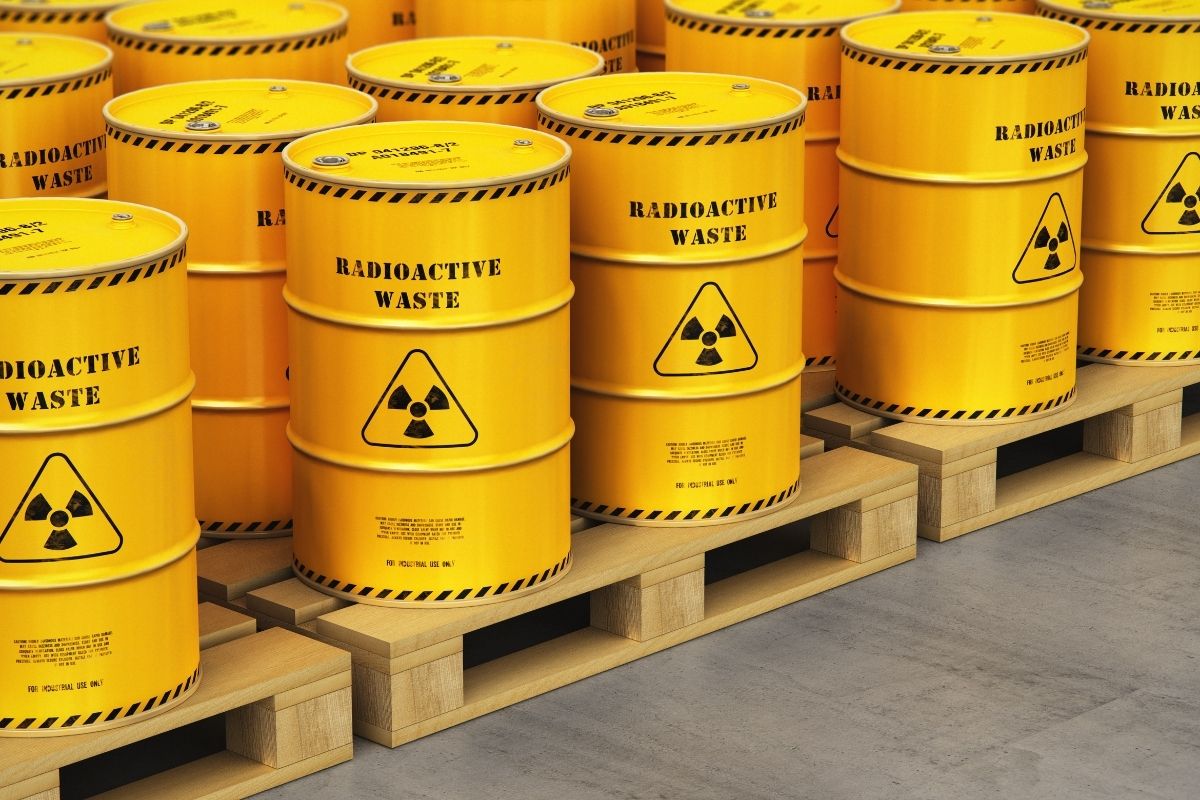
🔍 Click to Expand: Naturally Occurring Radioactive Materials (NORM) Training Overview
The ACTI Naturally Occurring Radioactive Materials (NORM) Training program provides participants with essential knowledge to safely identify, assess, and manage NORM hazards in various industrial settings. The training aligns with Occupational Health & Safety (OH&S) regulations, the Canadian Nuclear Safety Commission (CNSC) guidelines, and **industry best practices**.
📌 Key Learning Modules:
- Regulatory Requirements & Standards: Understanding OH&S regulations, CNSC guidelines, and employer/worker responsibilities.
- Sources of NORM: Identifying where NORM occurs, including oil and gas, mining, water treatment, and industrial processes.
- Health Risks & Radiation Exposure: Recognizing short-term and long-term effects of NORM exposure and implementing safety measures.
- Detection & Measurement: Learning to use, calibrate, and interpret radiation monitoring equipment.
- Engineering & Administrative Controls: Applying ventilation, shielding, PPE, and ALARA (As Low As Reasonably Achievable) principles to reduce exposure.
- Safe Handling, Storage & Disposal: Implementing proper waste management, decontamination, and transportation procedures.
- Emergency Response & Incident Management: Developing and applying effective response plans for accidental NORM exposure.
✅ Upon Completion:
Upon successful completion of the **ACTI NORM Training Program**, participants will be able to:
- ✅ Understand and comply with OH&S legislation and CNSC regulations related to NORM.
- ✅ Identify NORM sources in various industrial settings and assess potential exposure risks.
- ✅ Conduct radiation surveys using Geiger counters, scintillation detectors, and other monitoring equipment.
- ✅ Apply hazard control measures, including shielding, ventilation, PPE, and exposure limits.
- ✅ Implement safe work practices for handling, storing, transporting, and disposing of NORM waste.
- ✅ Develop and follow emergency response procedures, including incident reporting and decontamination protocols.
- ✅ Pass a written knowledge assessment (minimum 80%) and successfully complete the practical skills evaluation.
Participants who meet all course requirements will receive an **ACTI NORM Certification**, recognized across **Canada**, ensuring they are qualified to safely work in **environments where NORM is present**.
🔍 Click to Expand: Hazardous Atmosphere Detection and Control (HAT) Training Overview
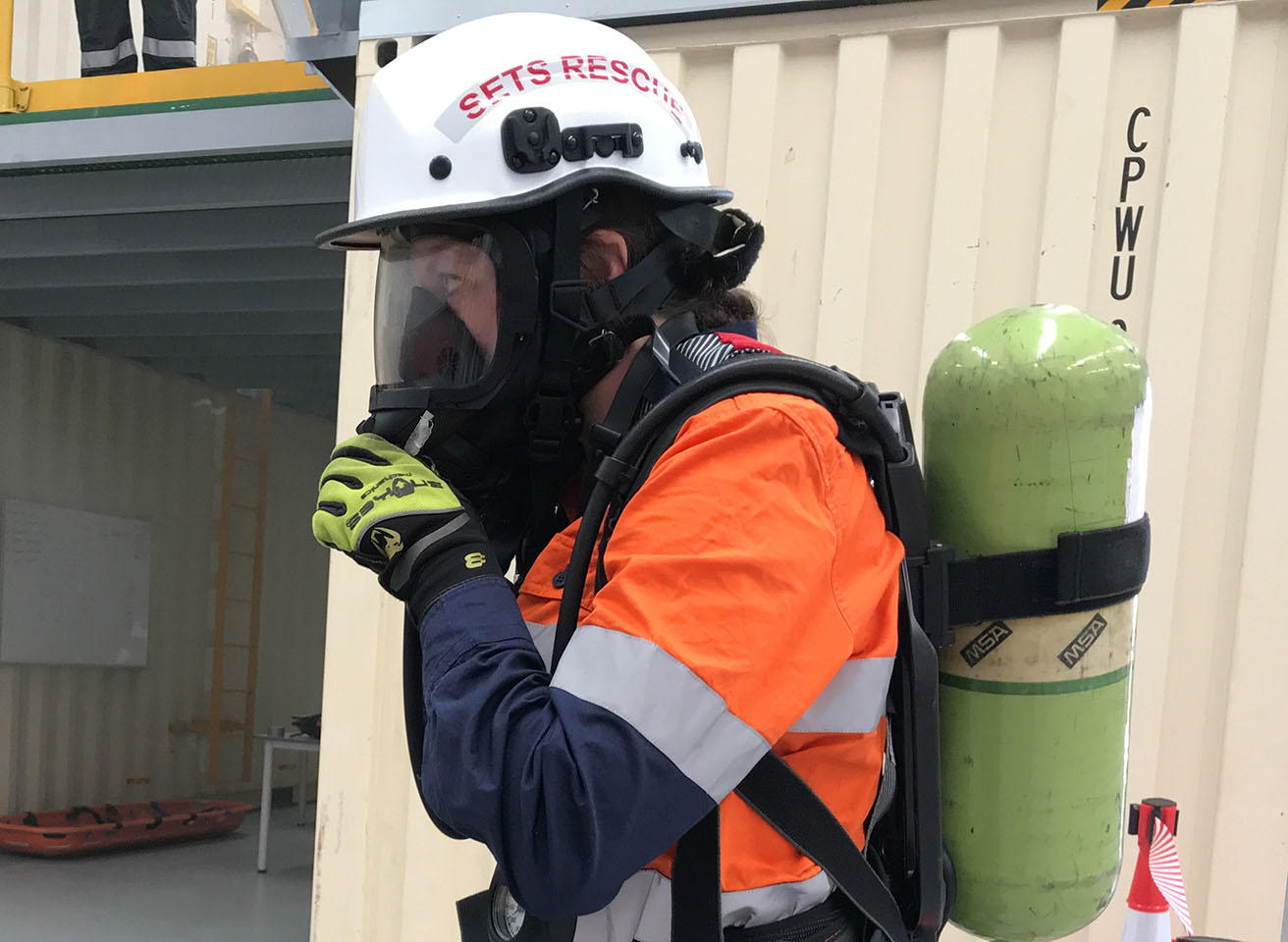
The ACTI Hazardous Atmosphere Detection and Control (HAT) Training Program provides participants with essential knowledge and skills to **recognize, assess, and control hazardous atmospheres** in the workplace. This course aligns with **National and Provincial Occupational Health & Safety (OH&S) regulations** and **industry standards**, ensuring compliance and enhanced worker safety.
📌 Key Learning Modules:
- Regulatory Requirements & Standards: Understanding OH&S legislation, CSA standards, and employer/worker responsibilities.
- Types of Hazardous Atmospheres & Their Risks: Identifying toxic, flammable, oxygen-deficient, and other dangerous atmospheres.
- Hazard Assessments & Control Measures: Applying the Hierarchy of Controls to mitigate risks.
- Gas Detection & Atmospheric Testing: Learning to use, calibrate, and interpret gas detection equipment.
- Respiratory Protective Equipment (RPE): Selecting and using Self-Contained Breathing Apparatus (SCBA), Supplied Air Breathing Apparatus (SABA), and Air-Purifying Respirators (APR).
- Rescue Planning & Emergency Procedures: Developing and implementing rescue plans for hazardous atmosphere incidents.
- Incident Reviews & Case Studies: Examining real-world hazardous atmosphere incidents to reinforce key safety lessons.
✅ Upon Completion:
Upon successful completion of the **ACTI Hazardous Atmosphere Detection and Control (HAT) Training Program**, participants will be able to:
- ✅ Understand and apply National and Provincial OH&S regulations and CSA standards related to hazardous atmospheres.
- ✅ Recognize hazardous atmospheres and assess risks associated with oxygen deficiency, toxic gases, flammable vapors, and chemical exposure.
- ✅ Conduct atmospheric testing and monitor workplace conditions using gas detection equipment.
- ✅ Implement hazard control measures, including ventilation, purging, inerting, and administrative controls.
- ✅ Select and properly use respiratory protective equipment (RPE) for safe entry into hazardous environments.
- ✅ Develop and follow emergency response procedures, including evacuation and rescue plans.
- ✅ Pass a written knowledge assessment (minimum 80%) and successfully complete the practical skills evaluation.
Upon meeting all course requirements, participants will receive an **ACTI Hazardous Atmosphere Detection and Control (HAT) Certification**, recognized across **Canada**, ensuring they are qualified to safely work in **environments with hazardous atmospheric conditions**.
🔍 Click to Expand: Detection and Control of Flammable Substances Training Overview
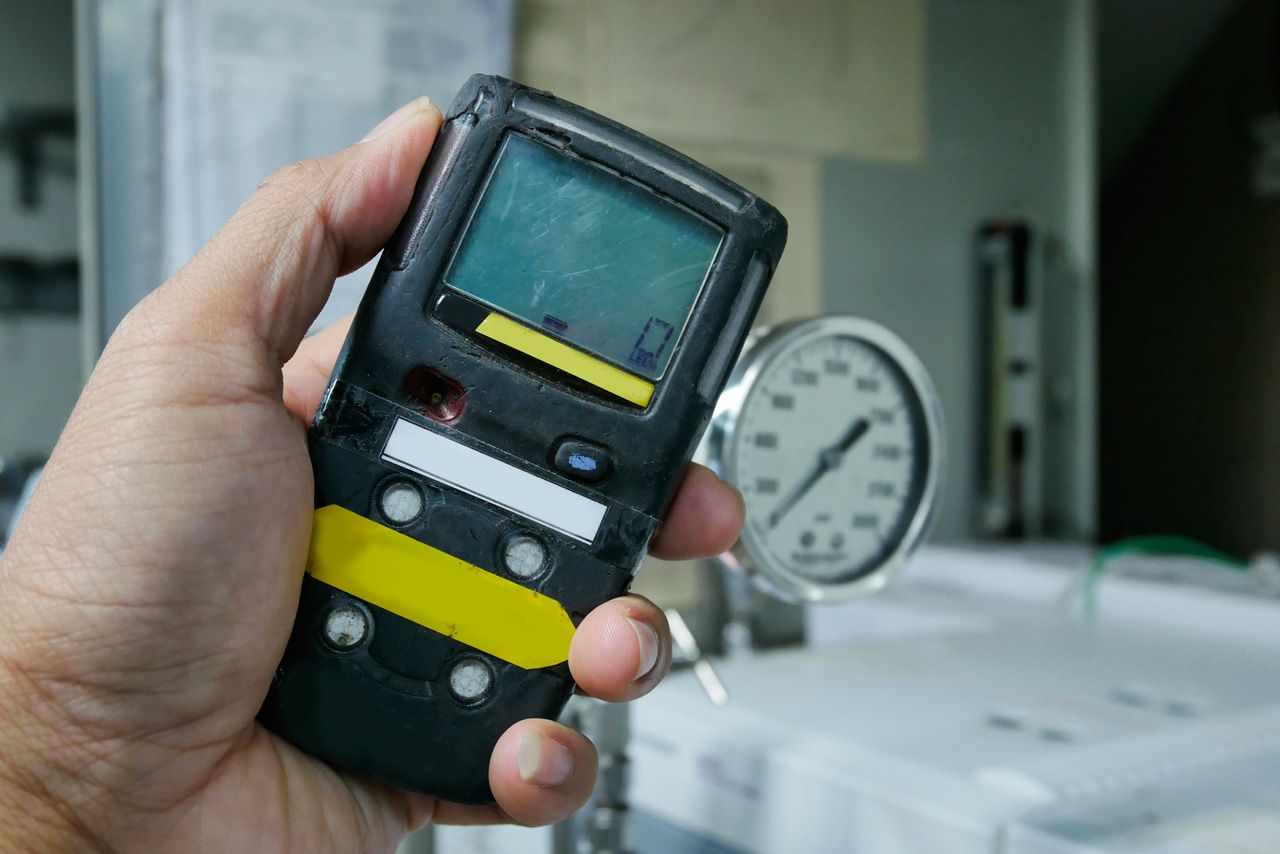
The **Detection and Control of Flammable Substances Training Program** provides participants with the **knowledge and skills necessary to recognize, detect, and mitigate risks** associated with **flammable gases and vapors** in industrial settings. This course integrates **fire watch procedures and gas detection technology** to ensure workers can safely operate in **environments where flammable substances may be present**.
Participants will gain an understanding of **fire and explosion hazards, gas monitoring equipment, regulatory requirements, and emergency response strategies**. The course covers **hot work permitting, fire prevention, gas detection methods, and hazard control measures** in compliance with **OH&S legislation, industry standards (NFPA, CSA), and site-specific safety protocols**.
📌 Key Learning Modules:
- Introduction to Flammable Substances: Understanding properties, classifications, and ignition risks.
- Legislation and Industry Standards: Compliance with OH&S Act, National Fire Code, NFPA 51B, and CSA gas detection standards.
- Flammable Gas Detection Methods: Using tube-type and electronic gas detectors, sensor calibration, and maintenance.
- Fire Prevention and Hot Work Controls: Hot work permitting, fire watch responsibilities, and fire-resistant barriers.
- Emergency Response and Hazard Mitigation: Alarm recognition, safe evacuation, and risk assessment strategies.
✅ Upon Completion:
Upon successful completion of the **Detection and Control of Flammable Substances Training Program**, participants will be able to:
- ✅ Identify flammable substances and understand their associated hazards.
- ✅ Interpret gas detection readings and apply control measures to prevent ignition.
- ✅ Use and maintain gas detection equipment, including proper calibration and testing.
- ✅ Recognize and mitigate fire and explosion risks associated with hot work.
- ✅ Follow regulatory requirements for fire watch and flammable substance control.
- ✅ Respond effectively to gas alarms and implement emergency procedures.
- ✅ Pass a written knowledge assessment (minimum 80%) and successfully complete the practical skills evaluation.
Upon meeting all course requirements, participants will receive a **Detection and Control of Flammable Substances Certification**, recognized across **Canada**, ensuring they are qualified to safely work in **environments where flammable substances are present**.

🔍 Click to Expand: ACTI Wildlife Awareness Training Overview
📌 ACTI Wildlife Awareness Training Overview
The ACTI Wildlife Awareness Training Program is designed to provide workers with the knowledge and skills required to recognize and respond to wildlife encounters in remote or wilderness work environments. This training aligns with Occupational Health & Safety (OH&S) regulations and industry best practices, ensuring compliance and workplace safety.
Participants will learn to identify wildlife hazards, implement avoidance strategies, properly use deterrents, and respond effectively to encounters with various species. The course covers bear awareness, cougars, wolves, moose, foxes, and other wildlife safety considerations.
🔹 Key Learning Modules:
- Legislation & Compliance: Understanding OH&S regulations and employer responsibilities for wildlife safety.
- Recognizing Wildlife Hazards: Identifying animal tracks, scat, signs of recent activity, and high-risk areas.
- Bear Awareness: Behavior, habitat, avoiding encounters, and response to black and grizzly bear encounters.
- Cougars, Wolves, and Lynx: Identifying predatory animal behavior and proper response to encounters.
- Moose, Caribou, and Other Species: Safe work practices around large herbivores in the wild.
- Wildlife Deterrents: Proper use of bear spray, noisemakers, air horns, and other deterrent strategies.
- Emergency Response & Reporting: Steps to take if wildlife is aggressive, injured, or present in the work area.
- Working in Bear Country: Best practices for camps, food storage, garbage management, and reducing attractants.
✅ Upon Completion:
Participants will be able to:
- ✅ Understand and apply OH&S regulations and industry standards for wildlife awareness.
- ✅ Identify animal tracks, scat, and habitat indicators to assess wildlife presence.
- ✅ Implement avoidance strategies to minimize wildlife encounters in remote work locations.
- ✅ Respond appropriately to bear, cougar, wolf, and other wildlife encounters.
- ✅ Demonstrate safe use of wildlife deterrents such as bear spray and noisemakers.
- ✅ Follow best practices for working safely in bear country, including food and waste management.
- ✅ Report wildlife hazards and respond effectively to emergency situations.
- ✅ Pass a written knowledge assessment (minimum 80%) and successfully complete the practical evaluation.
Participants who meet all course requirements will receive an ACTI Wildlife Awareness Certification, recognized across Canada, ensuring they are qualified to work safely in wildlife-prone environments, including forestry, oil and gas, remote construction, and environmental fieldwork.
🔍 Click to Expand: ACTI WHMIS 2015 Training Overview
The ACTI WHMIS 2015 Training Program provides workers with the essential knowledge and skills to understand and apply the Workplace Hazardous Materials Information System (WHMIS) 2015. This training ensures compliance with Occupational Health & Safety (OH&S) regulations, the Hazardous Products Act, and industry best practices, promoting workplace safety and regulatory adherence.
Participants will learn to identify hazardous materials, interpret Safety Data Sheets (SDS), understand hazard classification, and apply safe handling procedures. The course covers WHMIS legislation, hazard communication, labeling systems, emergency response, and worker responsibilities.
📌 Key Learning Modules:
- Legislation & Regulations: Understanding WHMIS 2015, OH&S laws, and employer/worker responsibilities.
- Hazardous Products & Classification: Identifying hazardous materials and recognizing hazard classes and categories.
- WHMIS Pictograms & Labeling: Recognizing WHMIS symbols, supplier labels, and workplace labels.
- Safety Data Sheets (SDS): How to read and interpret SDS for proper handling, storage, and disposal of chemicals.
- Hazard Controls & Safe Work Practices: Implementing control measures, using PPE, and reducing exposure risks.
- Emergency Procedures & First Aid: Responding to spills, fires, leaks, and worker exposure incidents.
- WHMIS vs. GHS (Globally Harmonized System): Understanding the global standard and its alignment with WHMIS.
✅ Upon Completion:
Participants who successfully complete the **ACTI WHMIS 2015 Training Program** will be able to:
- ✅ Understand and apply WHMIS 2015 regulations and OH&S requirements.
- ✅ Identify hazardous materials and recognize WHMIS hazard classes and pictograms.
- ✅ Read and interpret supplier labels and workplace labels.
- ✅ Locate and use Safety Data Sheets (SDS) to assess chemical hazards.
- ✅ Implement safe handling, storage, and disposal practices for hazardous products.
- ✅ Respond appropriately to hazardous material spills, leaks, and exposure incidents.
- ✅ Pass a written knowledge assessment (minimum 80%) and successfully complete any required practical evaluations.
Upon meeting all course requirements, participants will receive an ACTI WHMIS 2015 Certification, recognized across Canada, demonstrating their proficiency in safely managing hazardous materials in industrial, construction, and workplace environments.